Back to blog
Toxic Girlfriend: Signs, Red Flags, and What to Do Next
Key takeaways
- A difficult day or one argument does not define a person; repeated patterns that erode respect, safety, or freedom deserve attention.
- The most useful question is not whether someone is a bad partner, but whether they can hear a clear boundary and change their behavior over time.
- Jealousy, scorekeeping, pressure, isolation, threats, and punishment after a boundary are not problems to solve with more patience alone.
- If you feel afraid or controlled, prioritize support and safety over trying to repair the relationship by yourself.
A calm, behavior-first guide to repeated relationship patterns that feel draining, controlling, or unsafe—and the next step to take without shaming yourself or your partner.
If you are searching for a toxic girlfriend, you may be trying to make sense of a relationship that leaves you tense, small, confused, or constantly on guard. The useful question is not whether your girlfriend is a permanently bad person. It is whether there are repeated behaviors that damage trust, freedom, respect, or safety—and whether those behaviors change when you name them clearly.
Every couple has bad days and clumsy arguments. A toxic pattern is different: the same harm keeps returning, the person affected has less room to speak honestly, and repair either never happens or comes with pressure to move on before anything changes. Looking at the pattern helps you make a calmer decision without turning one person into a diagnosis.
Look for a pattern, not a label

The word “toxic” gets used so loosely that it can hide the real question. A relationship may feel unhealthy because of stress, poor conflict skills, incompatible expectations, controlling behavior, or abuse. Those situations are not identical, so they do not call for the same next step.
| What is happening? | What it can look like | What repair would require |
|---|---|---|
| A hard season or ordinary conflict | Short temper, a missed plan, or a disagreement where both people can still listen and apologize | A specific conversation, a genuine apology, and a changed habit |
| A repeated unhealthy pattern | Scorekeeping, name-calling, guilt, silent treatment, or conflict that never gets resolved | Both people naming the pattern, accepting boundaries, and showing change over time |
| Control or abuse | Threats, fear, isolation, monitoring, sexual pressure, physical violence, or punishment after a boundary | Prioritize safety and outside support; do not make yourself responsible for fixing it alone |
This distinction matters because healthy relationships rely on communication, mutual respect, support, and boundaries. You do not need to prove that someone is “toxic enough” before taking your own discomfort seriously.
Before you make a final call, it can help to use the Am I the Problem in My Relationship? self-check. It is not a verdict on either person; it is a way to separate one painful moment from a repeated dynamic.
Toxic girlfriend signs that are really behavior patterns
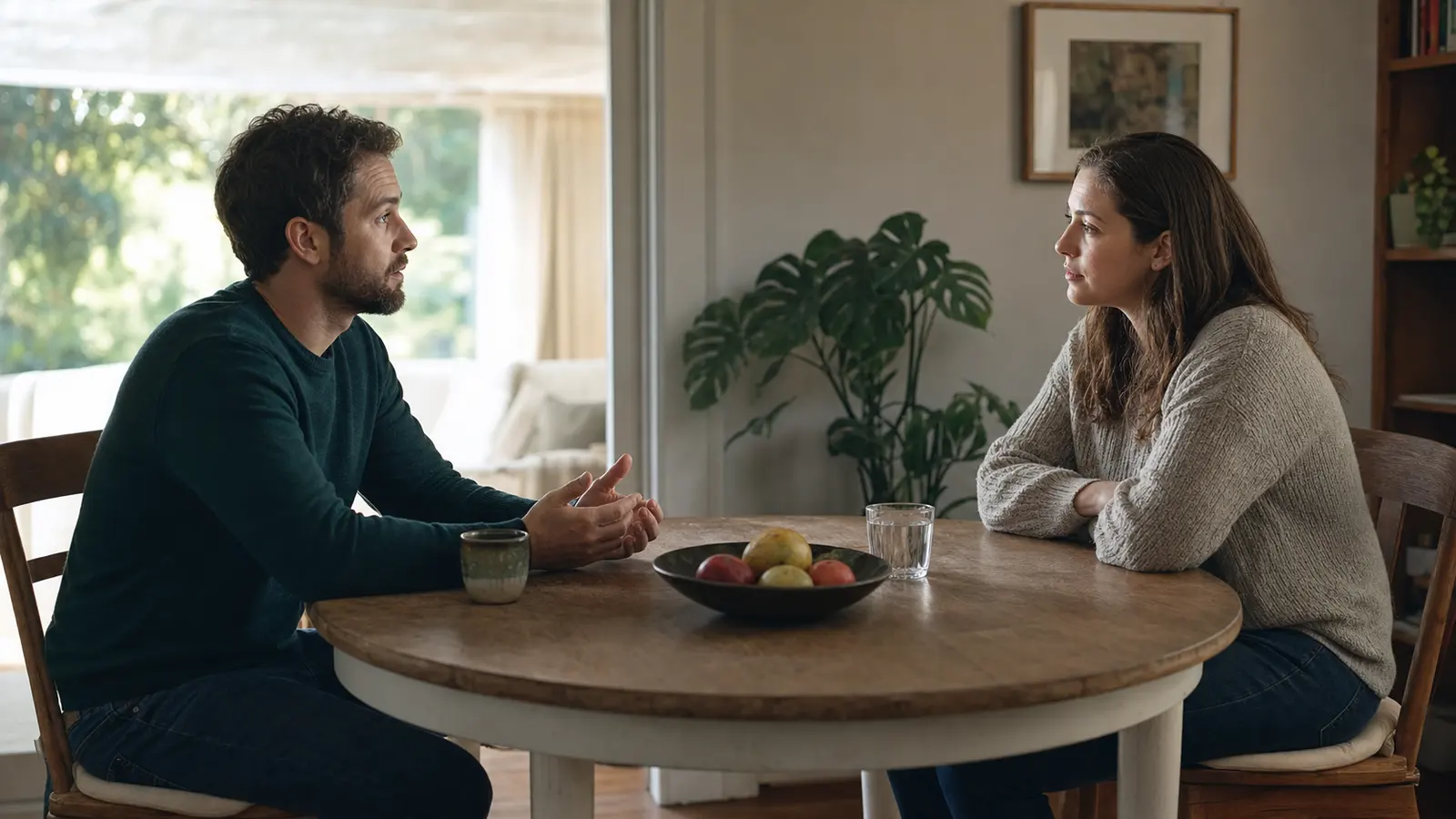
The signs below are not a checklist for diagnosing your girlfriend. They are behaviors to notice because they can make a relationship feel less safe and less mutual.
Your needs become evidence against you

You ask for a little time, privacy, reassurance, or a calmer tone—and the request becomes proof that you are selfish, unloving, or impossible to please. A healthy partner can disagree with a need without punishing you for having it.
This is where healthy relationship boundaries become useful. A boundary is not an order that controls another person. It is a clear statement of what you will participate in and what you will do when a conversation becomes harmful.
Jealousy turns into monitoring or isolation

Jealousy is a feeling; controlling your friendships, passwords, location, clothes, or work relationships is a behavior. Notice whether accusations make you shrink your life to prevent the next fight. The CDC lists dominance and control within a relationship among factors associated with intimate partner violence, but no single factor explains every relationship on its own. Its guidance on risk and protective factors is a reminder to look at the whole pattern, not to diagnose someone from one trait.
Conflict becomes a trap instead of a repair attempt
Some conflict is normal. The question is whether conflict leaves room for honesty. Repeated trick questions, bringing up old mistakes to win, refusing to let a topic end, or demanding that you manage someone else’s feelings can turn disagreement into a power struggle.
If this feels familiar, contempt in a relationship can help you spot the difference between a complaint about a problem and a pattern that attacks a person’s worth. You can also use a relationship check-in to see whether both people can name a concern, make one request, and follow through without retaliation.
Apologies arrive, but the pattern does not change
An apology matters when it is paired with ownership and a different choice next time. Be careful of a cycle where a painful incident is followed by intense affection, promises, blame for your reaction, and then the same incident again. The point is not to keep a private scorecard. It is to ask: Has anything become safer, clearer, or more respectful?
What to do next when the relationship feels unhealthy
Start with one concrete example rather than a global accusation. You might say: “When you read my messages after I said no, I felt watched. I need my phone to stay private. If it happens again, I will leave the conversation and take space.”
Then watch what happens after the boundary—not only in the next ten minutes, but over the next few weeks.
- Name the behavior. Use a recent, observable example instead of “you are toxic.”
- State the impact. Explain what it changes for you: trust, freedom, calm, or willingness to be honest.
- Set a limit you can keep. A boundary is about your action, such as ending a hostile conversation or declining to share a password.
- Look for repair capacity. Can your partner listen, take responsibility, and make a specific adjustment without turning your boundary into an attack on them?
- Choose support before isolation. Talk to someone trustworthy if you keep second-guessing your reality.
This approach also protects you from the opposite mistake: assuming every hard conversation means the relationship is doomed. Some patterns are workable when both people are willing to practice honesty, respect, and consistent follow-through. What to look for in a guy is a useful companion if you want to name the positive standards you need, not just the red flags you want to avoid.
When this is more than a relationship red flag
Do not treat fear as a communication problem to solve alone. Threats, stalking, sexual pressure, physical violence, destroying property, blocking you from leaving, or punishment for asking for space call for a safety-first response. The National Domestic Violence Hotline’s safety-planning guidance can help U.S. readers think through options privately. If there is immediate danger, contact local emergency services.
You do not need to decide whether to stay tonight in order to take your own safety seriously today. If you are unsure whether what you are experiencing is controlling, why your boyfriend may be mean to you offers another behavior-first way to sort disrespect, control, and safety concerns without minimizing them.
A better question than “Is my girlfriend toxic?”
Try these questions instead:
- Do I feel more able to be honest over time, or less?
- When I say no, is it respected—or punished?
- Can we repair a conflict without humiliation, fear, or a threat to the relationship?
- Is the effort to change shared, specific, and visible?
- Am I becoming more like myself in this relationship, or working harder to keep the peace?
The answers will not always be neat. But they can move you from a painful label toward a practical decision: repair with clear conditions, take distance, ask for support, or leave. If you want a calmer way to look at your own part without blaming yourself for someone else’s behavior, use the relationship self-check and take one honest next step.
FAQ
What are signs of a toxic girlfriend?
Look for repeated punishment after you express a need, pressure to give up friends or privacy, humiliation, threats, manipulation, or a refusal to repair harm. One bad day is not the same as a pattern that keeps making the relationship less safe or respectful.
Can a toxic relationship become healthy?
It can change only when both people can name the behavior, respect clear limits, take responsibility without retaliation, and show consistent change over time. Strong feelings and repeated apologies are not enough on their own.
Is jealousy a red flag in a relationship?
Jealousy can be a normal feeling. It becomes a serious red flag when it is used to monitor, isolate, accuse, punish, or control a partner instead of being discussed honestly.
How do I set a boundary with my girlfriend?
Name the behavior, explain what you will do if it continues, and keep the limit focused on your own action. For example: “If you call me names, I will end this conversation and we can try again tomorrow.” Then notice whether the boundary is respected.
When should I get outside support?
Get support sooner if there are threats, fear, stalking, sexual pressure, physical violence, destroyed property, isolation, or punishment for asking for space. A trusted local service or relationship-abuse advocate can help you think through a safer next step.