

Challenge2 credits
7-Day Intimacy Challenge
One small connection move per day.
135 played · 7 daysPlay

Small games, date-night prompts, and text tools for couples who want more to talk about.
Featured
The first shelf for quick couple play, low-pressure choices, and date ideas.
Small rituals for date nights, couch nights, group play, and quiet check-ins.

A fresh question for ordinary nights.

Make a playful guess, then reveal the real answer.

Classic truth-or-dare prompts with three comfort levels.

Guess, reveal, and compare answers.

Fast prompts for who would probably do what.

Questions for emotional closeness.

Confessions without making the night uncomfortable.
One small connection move per day.
Would you rather
Choose a date-night category, then pick between two options until a winner feels obvious.
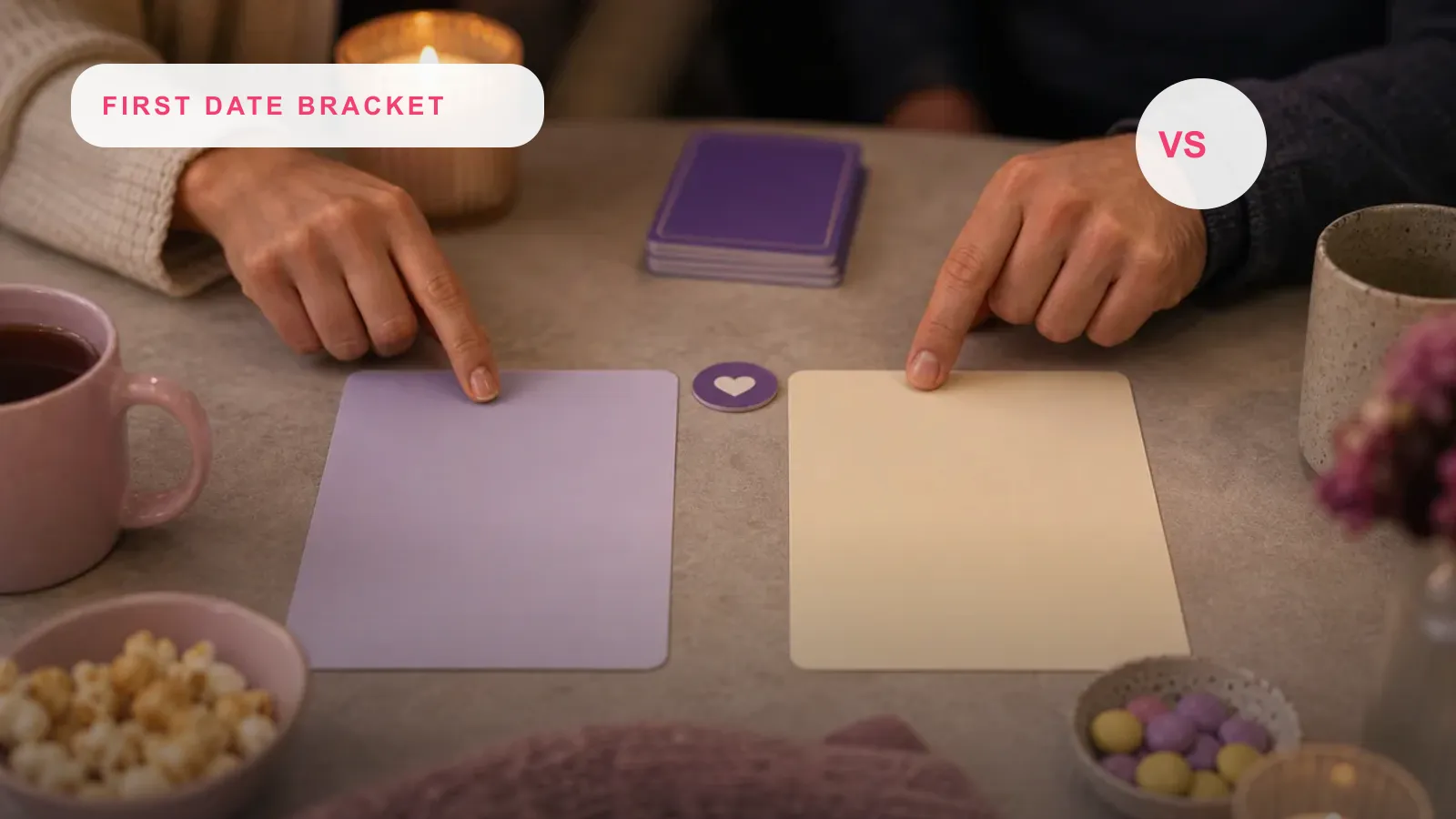
Pick between awkward first-date disasters until one clear winner survives.

Choose the food, drink, and date-night vibe you would actually want.

Pick between cozy, dramatic, funny, and romantic watch-night options.

Choose the trends, characters, and stories you would bring into date night.

Sort relationship scenarios into caution, comfort, or conversation.
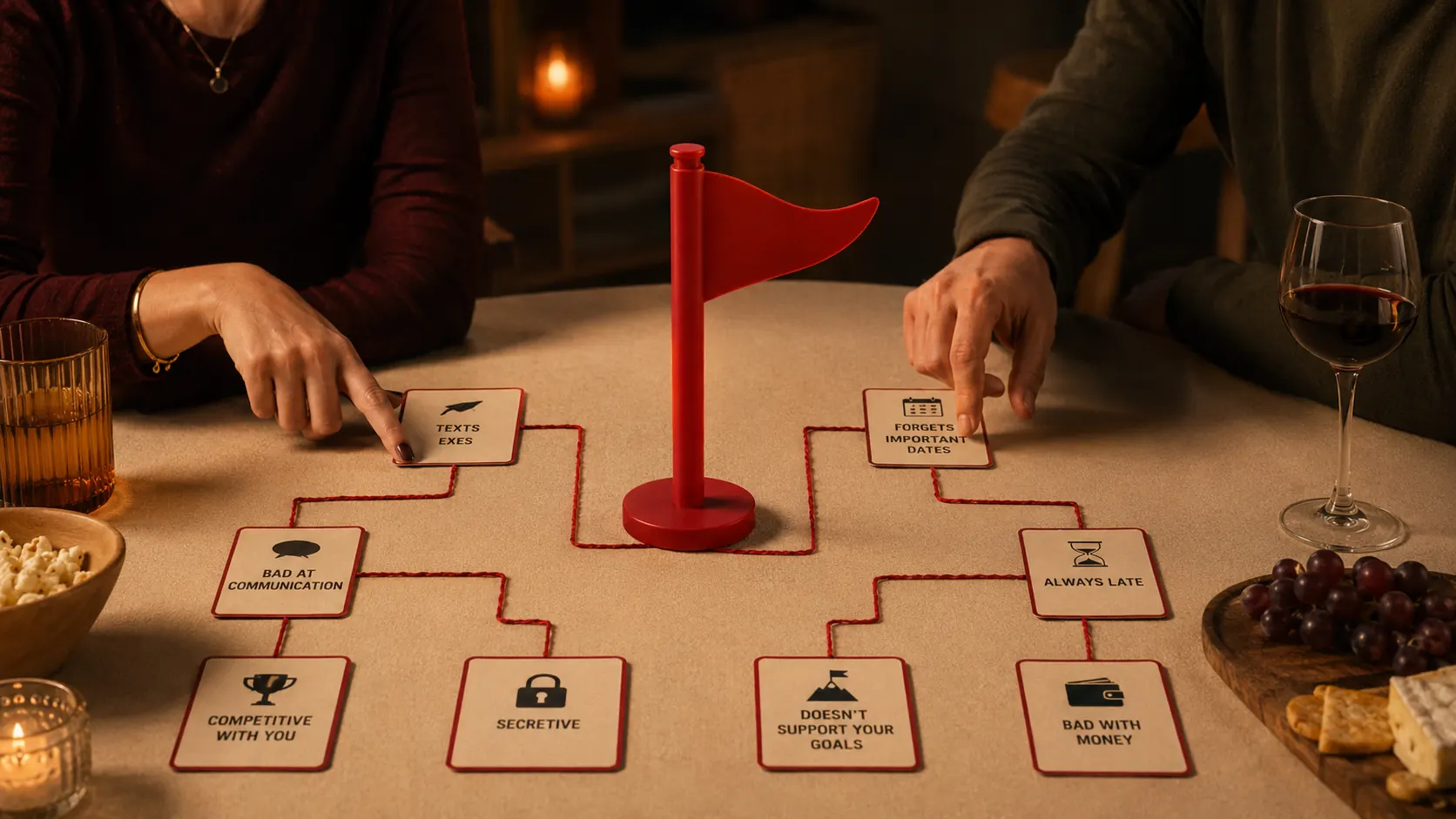
Choose the response move that fits the moment without spiraling.
Couple Q&A
Prompts for people who want more to say, but do not want a heavy relationship talk.
Start a real conversation without a big setup.
Prompts for dinner, walks, and couch nights.

A calm set of questions for where you stand.
AI tools
These tools will connect to a language model later. For now, this section is intentionally paused instead of linking to unfinished AI pages.
Coming soonText replies
Drafting help that understands tone, timing, and context.
Repair scripts
Calmer openings for apologies, boundaries, and hard conversations.
Personalized next step
Model-backed suggestions after the user gives real situation details.
Relationship boundary games
Use scenario cards when the question is not only what happened, but what it means to each of you.
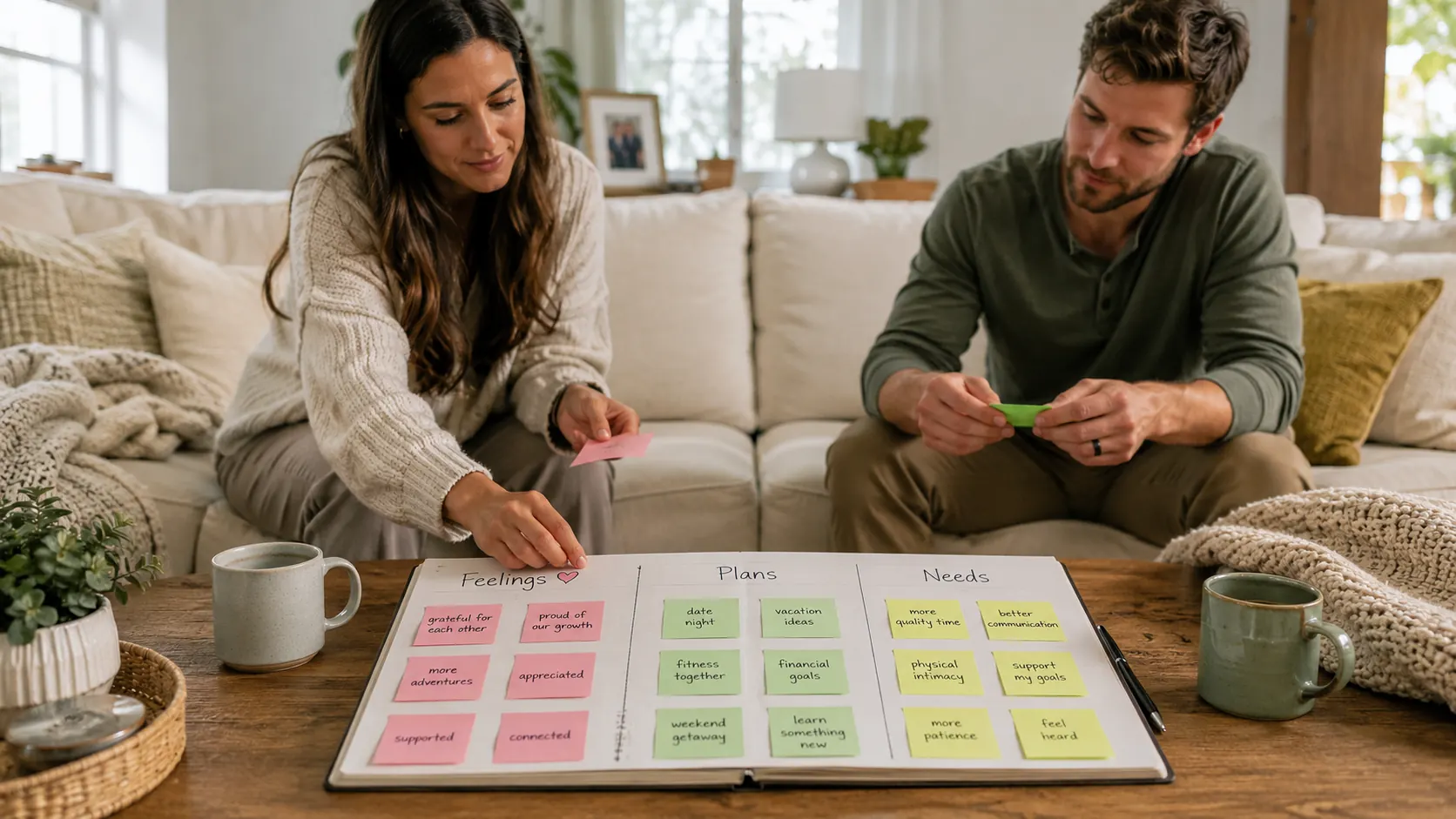
Sort everyday relationship scenarios into caution, comfort, or conversation.
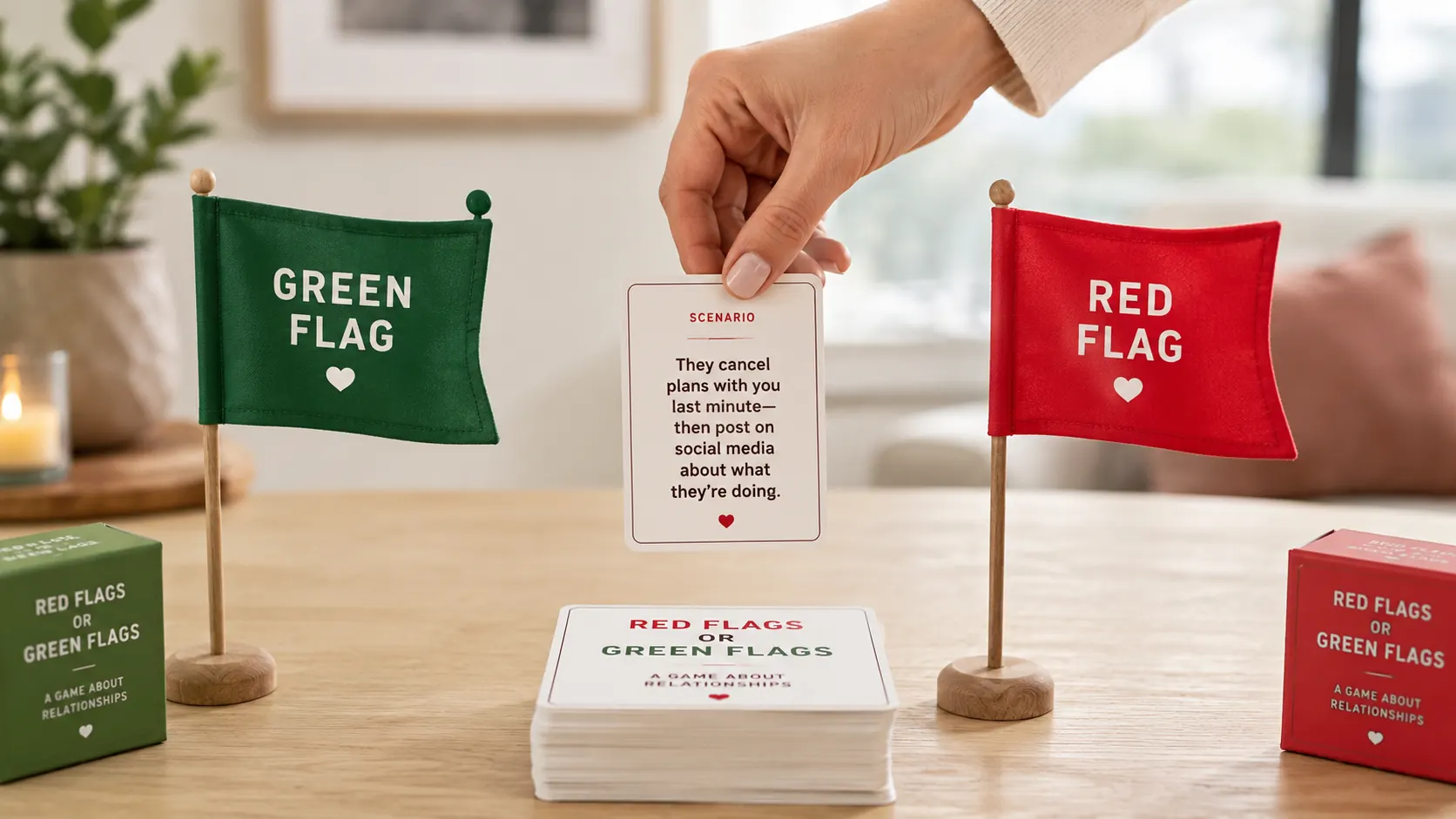
Compare micro-cheating moments and see where your line actually sits.
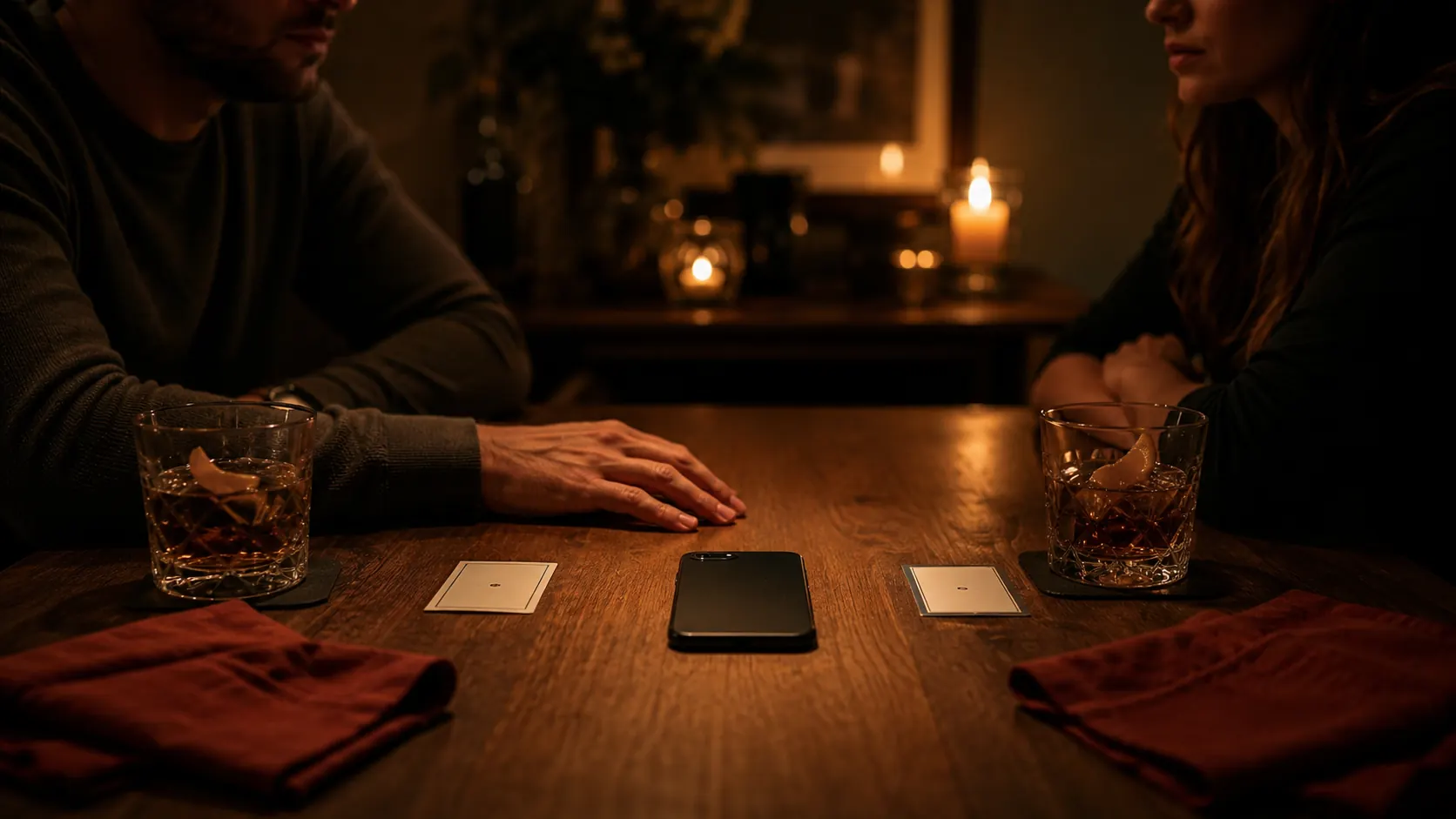
Talk about expectations before they become resentment.

Sort confusing effort, texting, and attention into a calmer read.
Group and couch games
Keep these lighter formats ready when a couple game works better with more people or less intensity.
Vote who would probably do what, then explain why.

Vote through couch-night prompts for couples and friends.

One person has a different clue. Talk, notice, and guess the mismatch.

One player gets a different clue. Talk, vote, and reveal the mismatch.
Date ideas
Spin for a simple plan, or use a date tool when you need a little momentum.
Game guide
The best game depends on the mood. Some nights need a tiny prompt. Some need a choice. Some need a plan.
A good couple game should be easy to start, specific enough to spark a real answer, and light enough that neither person feels put on trial.
Use question decks when the room feels quiet, tournaments when you want playful debate, and boundary cards when you need language for standards or mixed signals.
Couples are more likely to repeat a small ritual than a heavy relationship exercise. Short games create momentum without turning connection into homework.
They are short relationship games for date nights, couch nights, text moments, and low-pressure check-ins.
Some games work alone, especially text tools, boundary cards, and date idea tools. Question decks and tournaments work best with two people.
Start with a daily question for calm connection, a this-or-that tournament for playful choices, or the Date Idea Wheel when planning feels stuck.
The first live game is the Date Idea Wheel, with more playable formats being shaped around question decks, tournaments, and boundary cards.