Does Your Crush Like You Back?
Take the free quiz and find out.

Marriage Compatibility Quiz
Take a free marriage compatibility test for couples and see where your plans, values, and everyday expectations align before marriage.
Answer 20 questions about money, children, family, daily life, intimacy, conflict, and future planning. Get a transparent 0–60 readiness snapshot with one of three conversation-focused results. Your result is a starting point, not a prediction.

Choose the answer that sounds like the repeated pattern, not the answer you wish were true.
Questions Overview
This free quiz uses 20 questions about money, family, daily life, intimacy, conflict, and future planning. Answer from the relationship you have now, not the future you hope will appear.
Your 0–60 score maps to one of three conversation ranges. It is a compatibility snapshot, not a prediction of whether a marriage will succeed.
More relationship quizzes
Go deeper than a result preview with complete reports, saved history, and premium relationship games.
Standard quizzes and games cost 1 credit
Premium quizzes and games cost 2 credits
Individual plans include monthly or annual credits
Duo plans share 3x individual credits
Most relationship confusion does not need a verdict from a relationship coach who barely knows you. Caleb Merridan gives you private tools to slow down, see the pattern, and choose your next step yourself.

For people who want an easy way to learn each other's habits, preferences, and small emotional details before the relationship feels too serious.

For couples who need a lighter way to restart a call, check in after distance, or move past the same conversation loop.

For people in a crush, situationship, or early dating stage who want to notice patterns without spiraling over one message.
I started with relationship advice.
At first, I thought people needed sharper answers. Is this a red flag? Does he care? Should I stay patient, say something, pull back, or finally stop explaining?
But after seeing the same questions again and again, I started to notice something else.
Most people were not looking for someone to take over their love life. They were looking for a way to think clearly before they made the next move.
Formal counseling can be valuable, but a lot of people are not ready for it. It can feel too expensive, too serious, too exposed, or simply too far away from the small moments where confusion actually happens.
And many people do not want another stranger giving them a verdict.
They want privacy. They want language. They want a way to look at the pattern without being pushed into a performance of healing.
That is why Caleb Merridan became more than articles.
I wanted to build a place where relationship questions could become small, usable tools: a quiz that names the pattern, a game that helps two people compare answers, a guide that gives words to something hard to say.
Not consulting. Not a diagnosis. Not a dramatic answer.
Just a calmer way to understand what is happening, and one useful next step you can actually take.
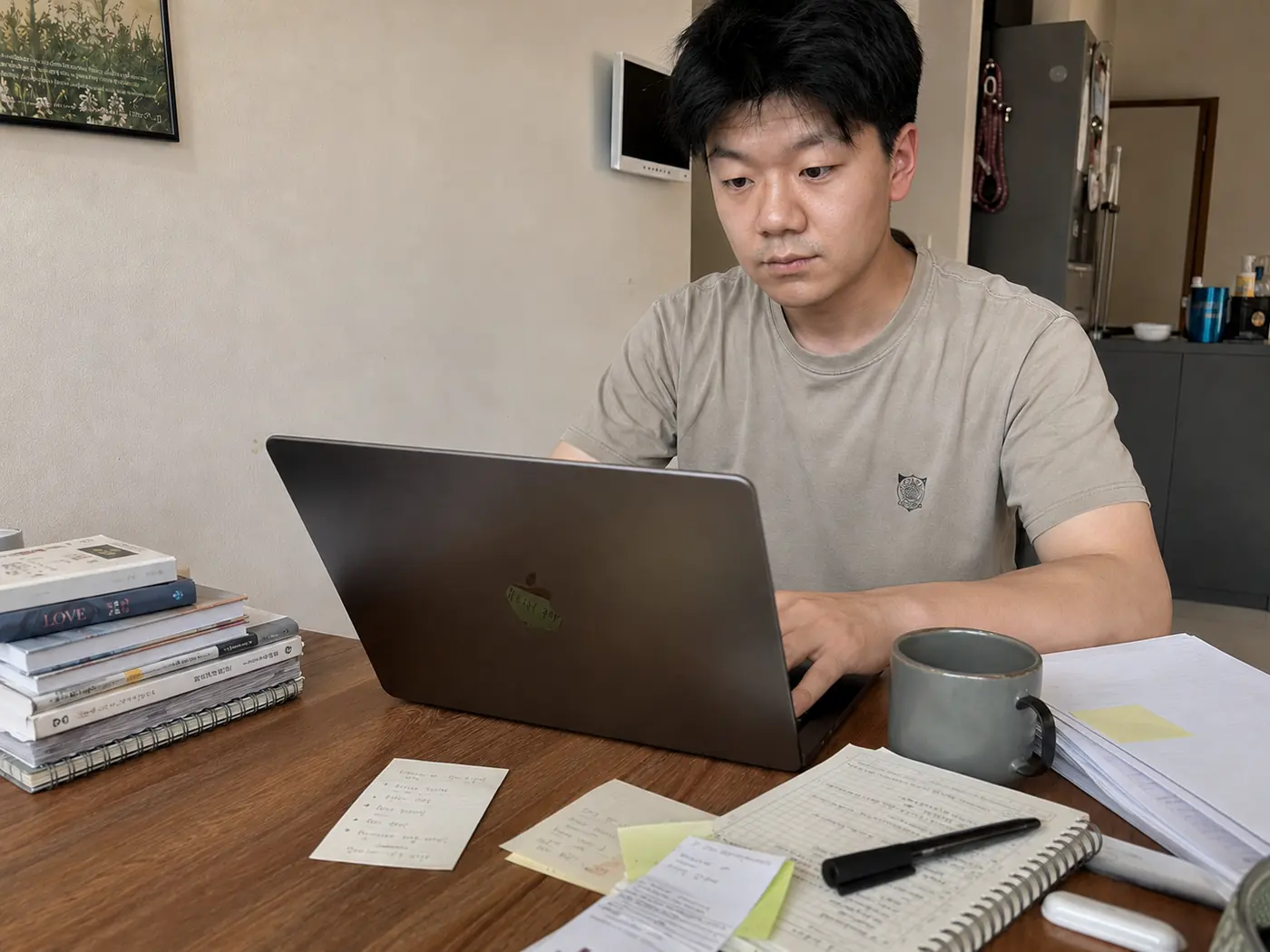
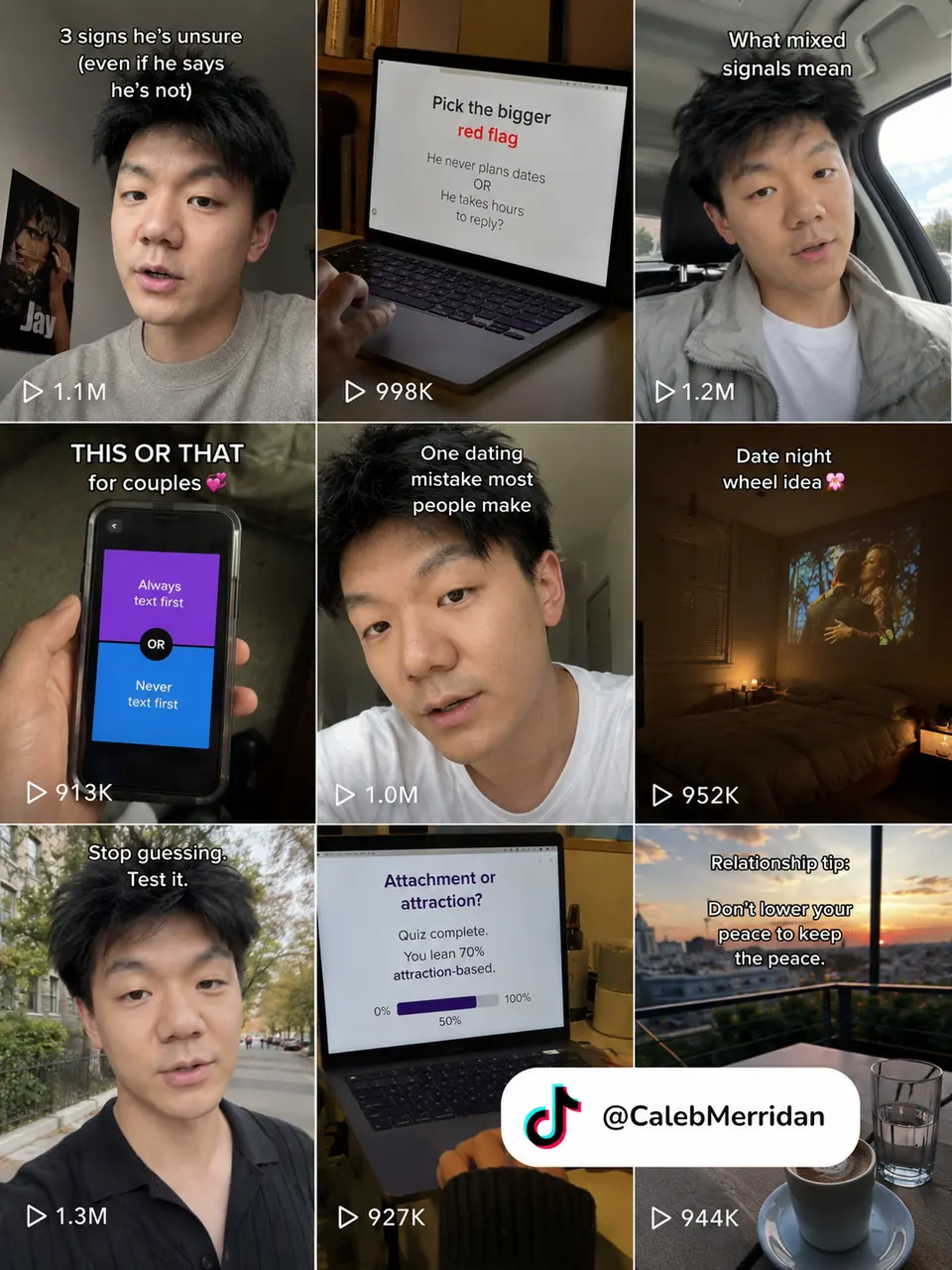
Before Caleb Merridan became a library of quizzes and games, I was already sharing relationship ideas through short videos, carousel posts, and simple advice content.
The same topics kept coming back.
Mixed signals. Anxious waiting. Boring date nights. Friends who feel like more. Hard conversations that never start. The strange feeling of knowing something is off, but not knowing how to name it.
People saved those posts because they recognized themselves in them.
They shared them because someone else needed the words too.
Sometimes a short idea did more than explain a feeling. It gave someone a way to finally ask, "Is this happening to us?"
That response shaped the website.
Caleb Merridan is built from the questions people kept returning to. The ones that were too personal for a comment section, too small for therapy, but too important to ignore.
So the ideas became tools.
Quizzes to organize the pattern. Games to make the conversation easier to start. Guides to turn an unclear feeling into something you can say without making everything heavier.
People usually come here for one small question. They stay when the question turns into a clearer conversation.
"It helped us talk without making it a big thing."
We started with a game because it felt easy. Then one answer surprised us, and suddenly we were talking about something we had both been avoiding.
"I stopped replaying the same moment."
The quiz did not tell me what to do. It helped me see why I was reacting so strongly, and what pattern I was actually afraid of.
"It felt lighter than asking everyone for advice."
I liked that I could use it privately first. By the time I brought it up, I had better words and less panic.
No. It is a conversation-based reflection tool, not a clinically validated assessment. It cannot predict whether a marriage will succeed or replace honest conversations, premarital counseling, or qualified professional support.
A high score suggests more alignment across these questions. It does not mean there are no differences, and it should not be used to ignore a serious concern.
Treat the disagreement as a topic to clarify, not something to score away. Discuss what each person wants, what is negotiable, and what would be a firm boundary before a major commitment.
Yes. You can answer side by side or take it separately and compare the questions where your answers differ. The most useful outcome is a specific, respectful conversation.
Not by itself. It can show where your current answers align and where a deeper conversation is needed. Readiness also depends on safety, consent, trust, practical agreements, and how both people respond when a real difference appears.
Answer from the relationship you have now, not the answer you hope will become true. If you are unsure, choose what usually happens between you.
Each answer is worth 3, 2, 1, or 0 points. A total of 45–60 suggests a green light to keep planning, 30–44 suggests a strong foundation with important conversations left, and 0–29 suggests it is wise to pause and work through the gaps.
This is a conversation-based snapshot, not a clinical assessment or a prediction of whether a marriage will succeed. If fear, coercion, threats, violence, or pressure around consent are present, prioritize safety and qualified local support.
Compare the questions where your answers felt least clear. Name the difference, state each person’s need or boundary, and agree on one calm follow-up conversation instead of using the score as a verdict.
Marriage compatibility guide
Marriage compatibility is not only chemistry. It includes how you make decisions, carry daily life, talk through conflict, and handle the future when real pressure arrives.
The questions cover practical life, values and family, connection and repair, and shared future planning. The score is a prompt to look at patterns together, not a diagnosis.
Chemistry can make a relationship feel compelling. Compatibility asks whether expectations, responsibilities, values, and repair habits can hold when the relationship needs practical decisions.
Start with the lowest-scoring topic. Describe what each person wants, what is flexible, and what is a firm boundary. If a conversation feels unsafe or repeatedly harmful, seek qualified support before making a major commitment.
The useful outcome is not a perfect score. It is a more honest view of the conversations your relationship needs next.
Keep exploring
These sources help frame attachment, communication, emotional bids, and self-compassion. They support reflective relationship education; this quiz is not a clinical assessment.